
June 3−5, 2026 | NASAI Conference
Sheraton Grand at Wild Horse Pass | Phoenix, AZ
2026 Highlights
NASAI 2026 Recap
NASAI 2026 Photo Highlights






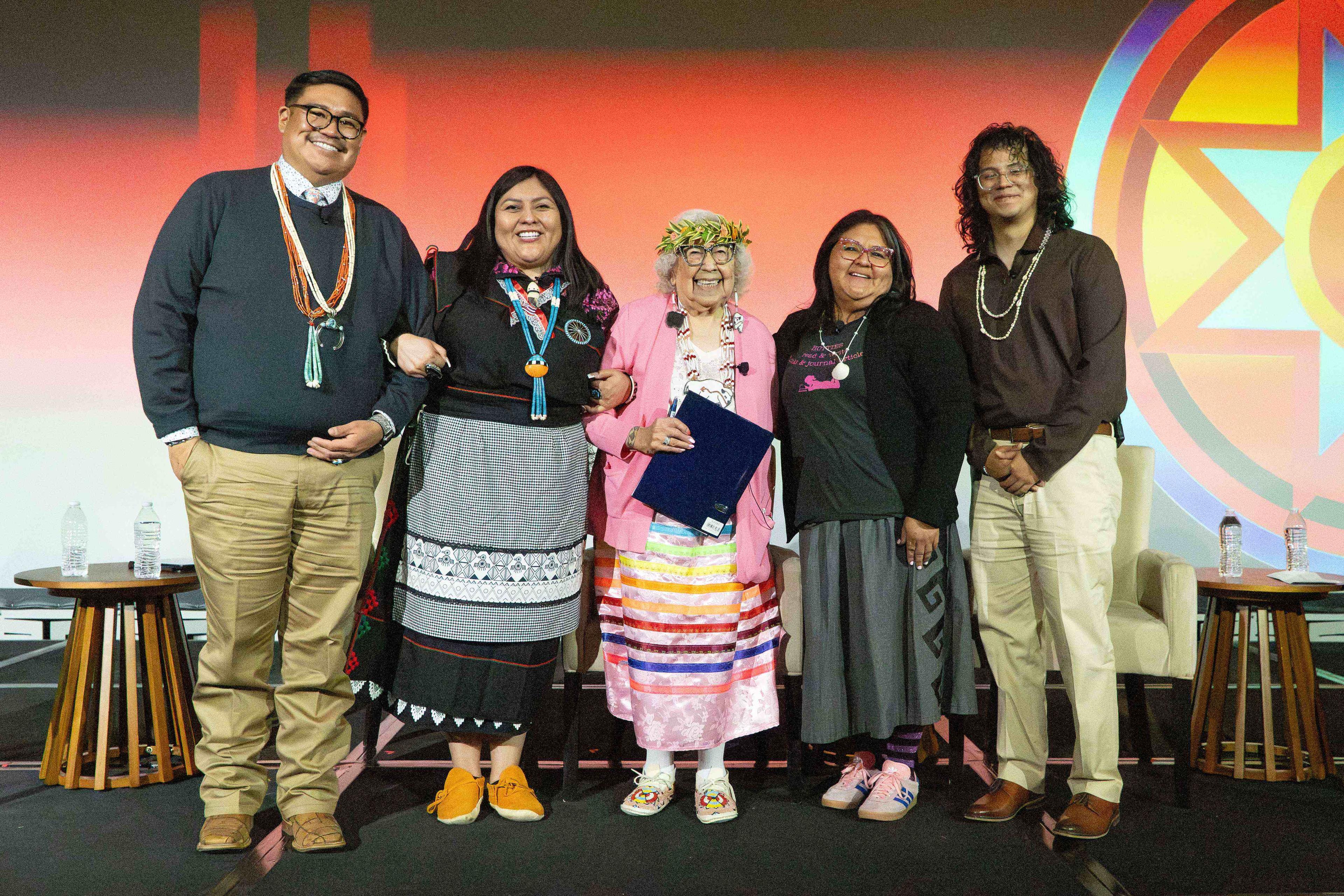


Conference Opening Event
Wednesday, June 3, 2026
1:45—3:45 p.m. PT
Reclaiming Language, Reimagining Learning
Join us for an engaging session with Andrea Ramon, an educator grounded in Indigenous knowledge and community-rooted education. Drawing from her work in Indigenous language and language systems, she explores how language shapes identity, belonging, and learning across generations.
Through a focus on place-based and culturally informed approaches, Ramon examines the role of education in sustaining Indigenous language and cultural continuity while preparing students for long-term success. Her work bridges academic institutions and tribal knowledge systems, expanding pathways for both educational and economic opportunity. This session invites educators to consider how learning environments can more fully reflect and affirm the languages, identities, and communities of the students they serve.
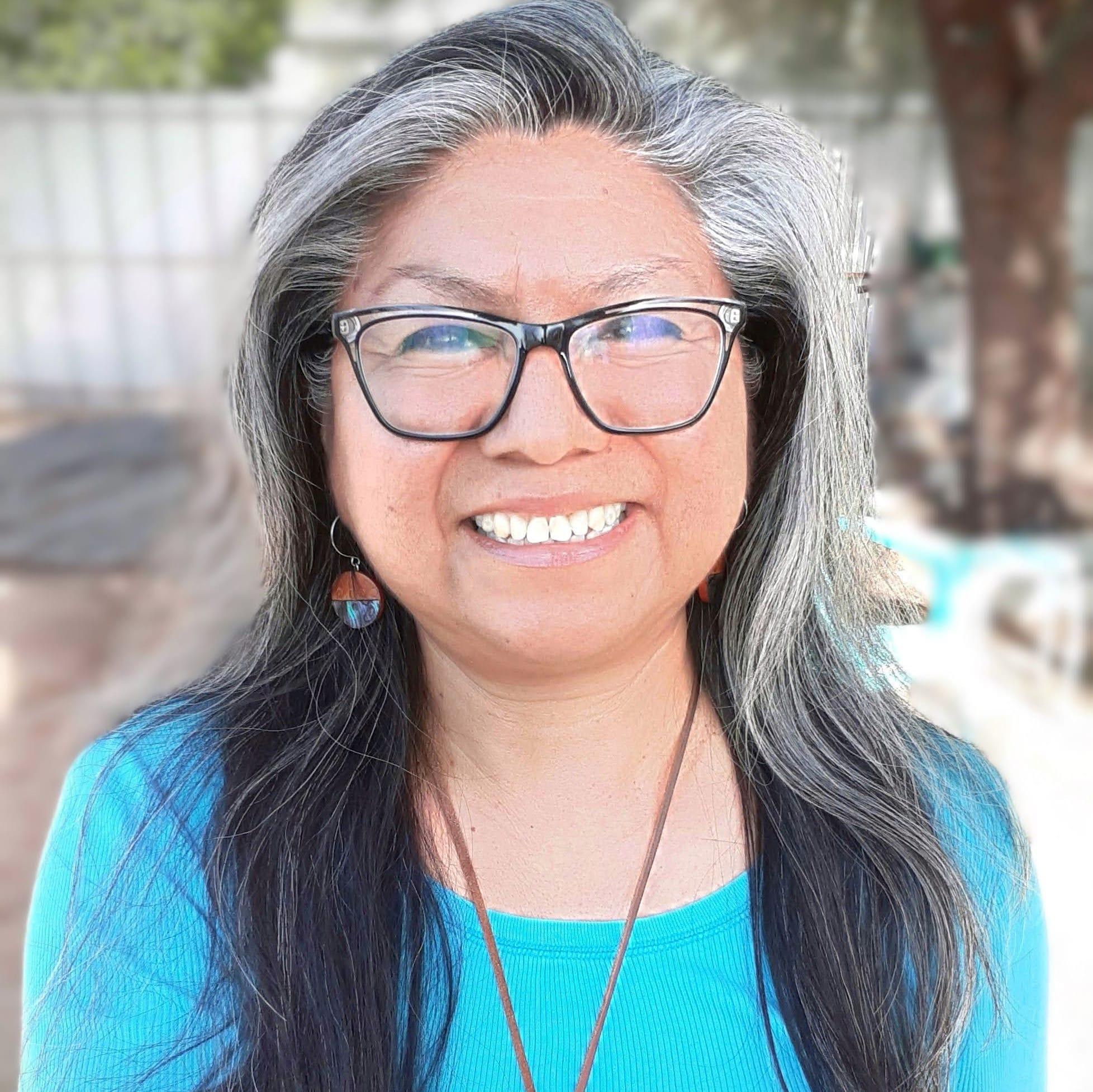
Andrea Ramon, Tohono O'odham, Tohono O'odham Nation, O'odham Ñi’okĭ Ki: (O’odham Language Center), Tohono O’odham Community College
Andrea Ramon, who is Tohono O’odham, born and raised on the Tohono O’odham Nation, is an educator, trainer, and capacity builder. Her mission and vision is “To Inspire, Empower & Expand through Language, History & Culture,” which guides her passion, work, and advocacy, focusing on Indigenous and immersion language and cultural revitalization, maintenance, teaching, training, Indigenizing curriculum with Indigenous communities, and developing materials for O’odhamkaj (Indigenize It), from starting grassroots movements, working with tribal communities, departments, their various entities, and universities alike across the U.S., Alaska, and visiting Indigenous citizens from other countries. She was one of the founders of a Native American charter high school, the first of its kind to be Indigenous/student-centered at the inception of the charter school movement in Arizona, a member of the first cohort of Project DreamCatcher, a guest lecturer at the University of Arizona, and a faculty associate at Arizona State University. Currently, she works with the O’odham Ñi’okĭ Ki: (O’odham Language Center), three Head Start Centers, O’odham Ñi’okĭ Ha-Maṣcama, Tohono O’odham Community College, Native American Language Teacher’s Institute (NALTI) at the University of New Mexico, and the Indigenous Teacher Education Program (ITEP) at the University of Arizona while still working with various entities to Inspire, Empower, and Expand through Language, History, and Culture.
What Native Students Bring Into Learning Spaces
This panel centers Native students at different stages of higher education as they share their lived experiences navigating college and preparing for the future. Recognizing that students bring knowledge, culture, and lived experience into educational spaces, often while moving within contexts shaped by sovereignty and self-determination, this conversation highlights how those experiences shape their paths forward.
Students will reflect on what brings them joy in their learning environments, the challenges they face, and the support they need to succeed. They will share their hopes, aspirations, and the impact they hope to have in their communities. The knowledge and cultural perspectives they bring are living, adaptive, and connected to community. This session invites educators to listen, learn, and consider how to better support Native students along their educational journeys.
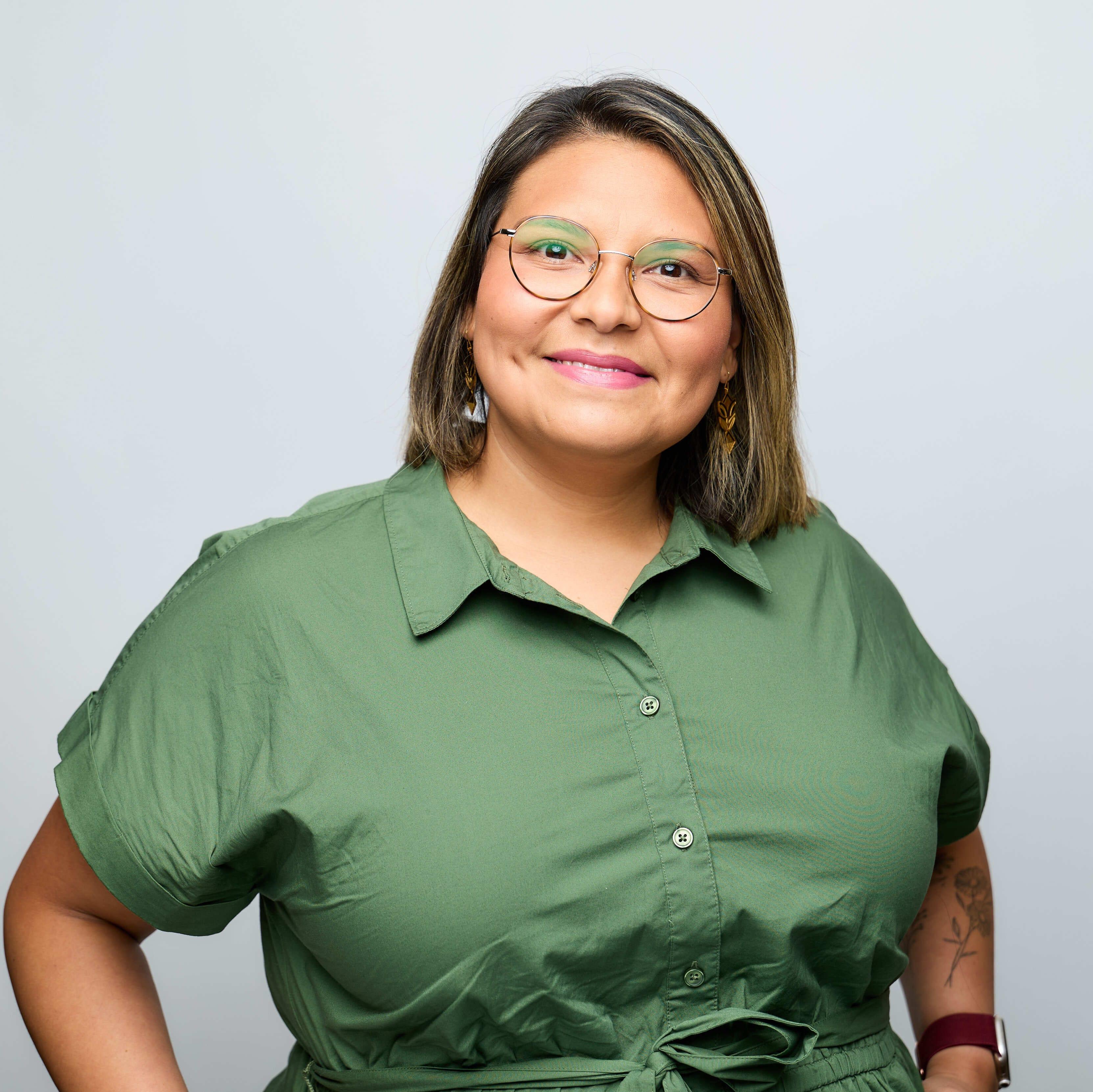
Moderator: Tiffany Gusbeth, Vice President, Student Success Services, American Indian College Fund
Tiffany Gusbeth, a proud citizen of the Northern Cheyenne Nation, is the Vice President of Student Success Services at the American Indian College Fund, where she has dedicated the last twelve years to advancing Native student success. In her role, Tiffany leads the development and implementation of comprehensive student support systems, including scholarships, college access, career readiness, student engagement, and strategic enrollment management.
Tiffany's leadership is guided by a deep commitment to ensuring that these initiatives are culturally relevant and respectful to the communities she serves. A first-generation college graduate and former College Fund scholarship recipient, Tiffany began her educational journey earning a GED from Chief Dull Knife College, a Tribal College on the Northern Cheyenne reservation before completing her bachelor’s degree at Western Colorado University. In 2022, she was selected for the inaugural Leading for Equity Fellowship with the National College Attainment Network and continues her work on their Advisory TaskForce, bringing attention to Native and Rural education in the National landscape of College Attainment. In Colorado, she sits on the History Colorado Preservation Program Committee supporting advocacy for ensuring rural and Native histories continue to be told in the state of Colorado.
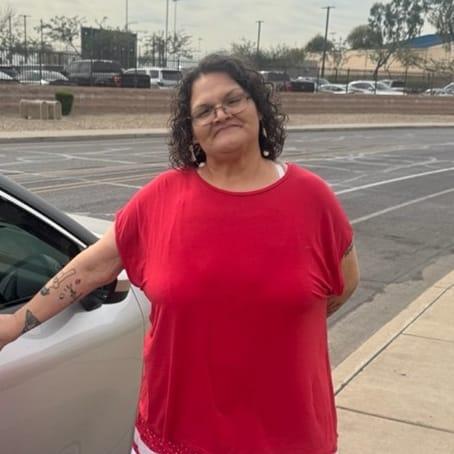
Memory Dawn Long Chase, Graduate Student, Arizona State University
Memory Dawn Long Chase attends Arizona State University (ASU) and is an enrolled member of the Standing Rock Sioux Tribe. She has worked in the anti-gender-based movement for the past 13 years. Memory has spent much of her career providing advocacy for victims and survivors of domestic violence, sexual assault, and human trafficking. Her previous experience includes working for the Arizona Coalition to End Sexual and Domestic Violence. She has worked in direct service for several years at a community-based, multi-service agency running the Outreach department. In 2023, Memory was a recipient of the Arizona Attorney General’s Courage in Action Distinguished Service Award for her outstanding work with crime victims in Arizona. Prior to coming to Southwest Indigenous Women's Coalition (SWIWC), Memory worked with the chronically homeless, single adult Native American population in Maricopa County. Memory earned her Bachelor of Arts degree in Community Advocacy & Social Policy and is actively studying for her master’s in Public Administration at Arizona State University.
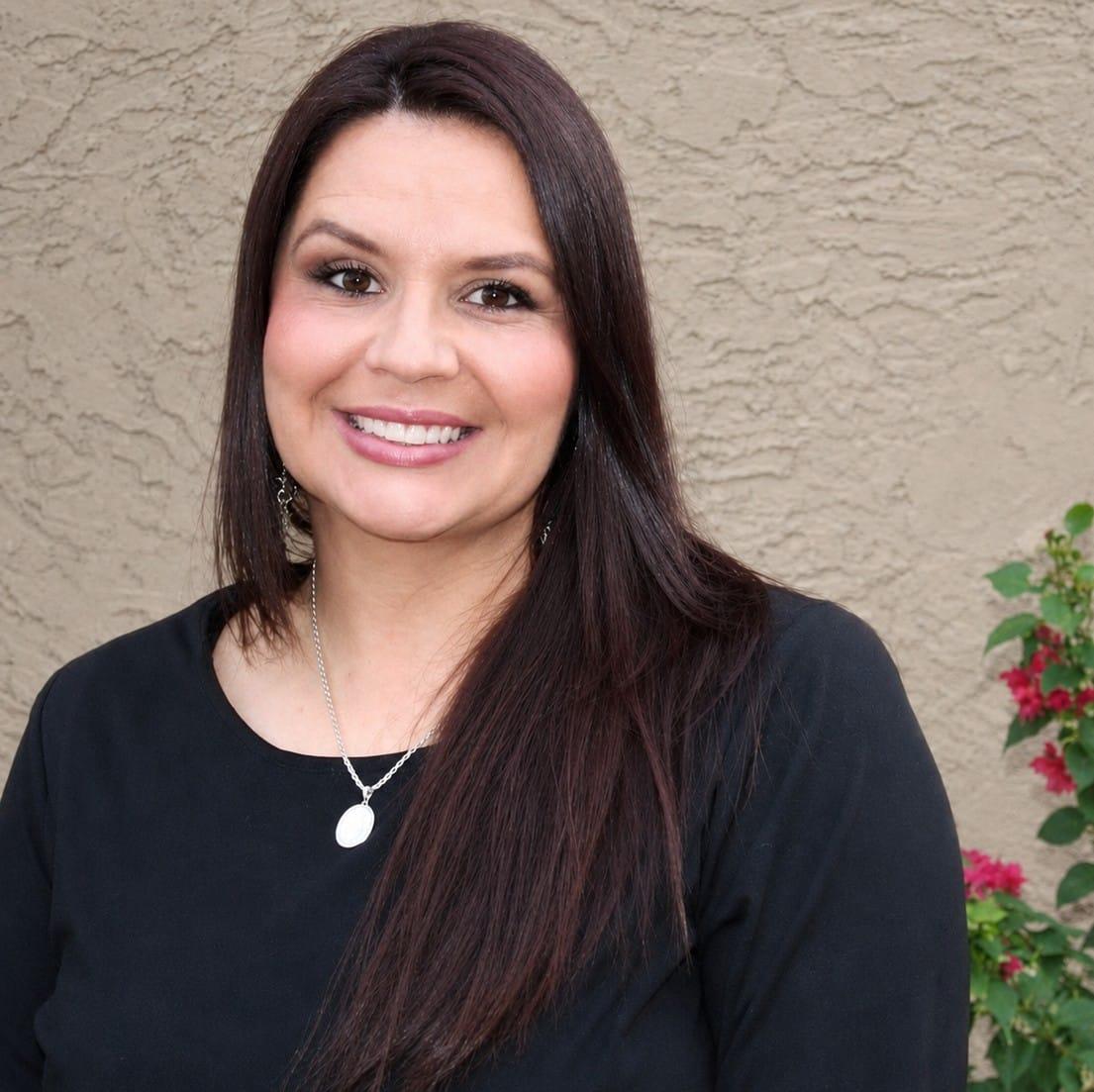
Antoinette Gallegos, Undergraduate Student, Tohono O'odham Community College
Antoinette Gallegos is a current College Fund scholar attending Tohono O'odham Community College. She is a citizen of the Chippewa Cree Nation and studying social work. She has been an actively engaged scholar with us, participating in two healthcare bootcamps this year to meet healthcare professionals, connecting with others in the field, and exploring opportunities as a Native person within it.
Andrea Ramon, Tohono O'odham, Tohono O'odham Nation, O'odham Ñi’okĭ Ki: (O’odham Language Center), Tohono O’odham Community College
Andrea Ramon, who is Tohono O’odham, born and raised on the Tohono O’odham Nation, is an educator, trainer, and capacity builder. Her mission and vision is “To Inspire, Empower & Expand through Language, History & Culture,” which guides her passion, work, and advocacy, focusing on Indigenous and immersion language and cultural revitalization, maintenance, teaching, training, Indigenizing curriculum with Indigenous communities, and developing materials for O’odhamkaj (Indigenize It), from starting grassroots movements, working with tribal communities, departments, their various entities, and universities alike across the U.S., Alaska, and visiting Indigenous citizens from other countries. She was one of the founders of a Native American charter high school, the first of its kind to be Indigenous/student-centered at the inception of the charter school movement in Arizona, a member of the first cohort of Project DreamCatcher, a guest lecturer at the University of Arizona, and a faculty associate at Arizona State University. Currently, she works with the O’odham Ñi’okĭ Ki: (O’odham Language Center), three Head Start Centers, O’odham Ñi’okĭ Ha-Maṣcama, Tohono O’odham Community College, Native American Language Teacher’s Institute (NALTI) at the University of New Mexico, and the Indigenous Teacher Education Program (ITEP) at the University of Arizona while still working with various entities to Inspire, Empower, and Expand through Language, History, and Culture.
Main Stage Session
Thursday, June 4, 2026
9:00—10:00 a.m. PT
From Classroom to Writers' Room: The Power of Native Voices
In this opening session, actor and educator Jana Schmieding reflects on the dynamic relationship between her decade in education and her work in Native-led television. Drawing from both the classroom and the creative sphere, she examines how each space can serve as a platform for empowerment, cultural affirmation, and narrative change. Through personal insight and professional experience, Jana will explore how she weaves together art, advocacy, and education to expand representation and center Indigenous voices with authenticity and integrity. She will invite participants to consider the transformative power of stories rooted in truth, identity, and community—and the responsibility educators and creators carry to shape narratives that affirm Indigenous youth while deepening broader understanding of Indigenous histories, cultures, and contemporary realities. This session will set the tone for NASAI by underscoring the power of storytelling as both a pedagogical tool and a pathway to opportunity—cultivating belonging and deepening collective understanding.
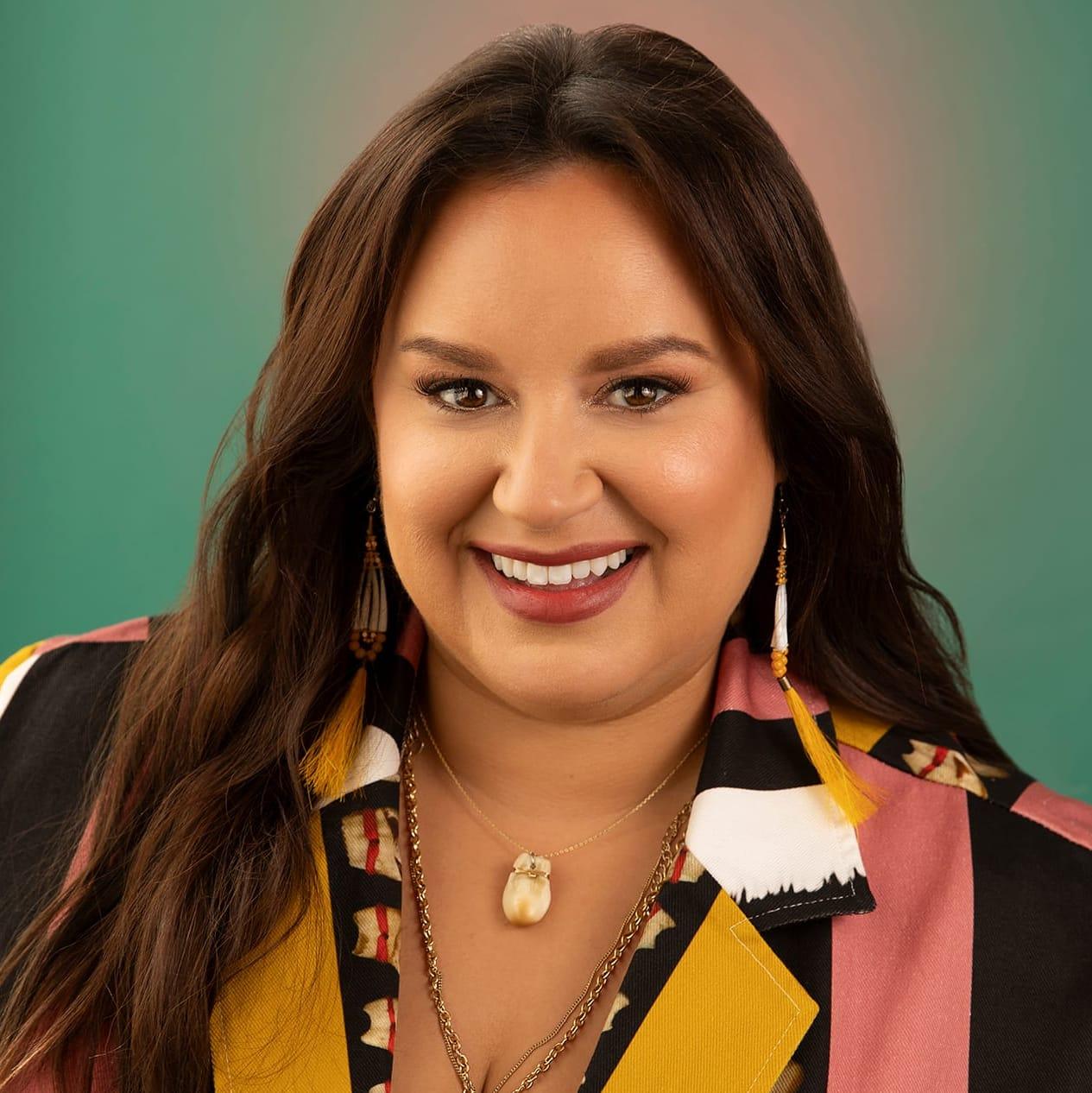
Jana Schmieding, Comedian & Writer Known for Rutherford Falls and Reservation Dogs
Jana Schmieding is known for her breakout role as "Reagan," opposite Ed Helms on Peacock's groundbreaking comedy series, Rutherford Falls. The Lakota Native comedian was also a writer on both seasons. Currently, Jana is developing the multi-cam comedy, Bonnie, for CBS which she is also set to star in.
Jana was a fan favorite on FX’s Reservation Dogs and voiced “Zelda Fox” on Fox’s animated sitcom, The Great North. She has been featured in various publications including, New York Magazine's Vulture, NPR, Paste, Bustle, Bon Appétit, and Vanity Fair, where she describes her trajectory from struggling artist to her co-lead role on the series in her op-ed, Jana Schmieding on the Native Joy of Rutherford Falls.
Jana performed improv, sketch, and solo comedy in New York City for ten years before moving to Los Angeles. She directed over 30 sketch and solo shows and collaborated in several indie writers’ rooms. Jana is a vocal advocate of Indigenous visibility and social justice, and she discusses these issues regularly in her comedy and writing.
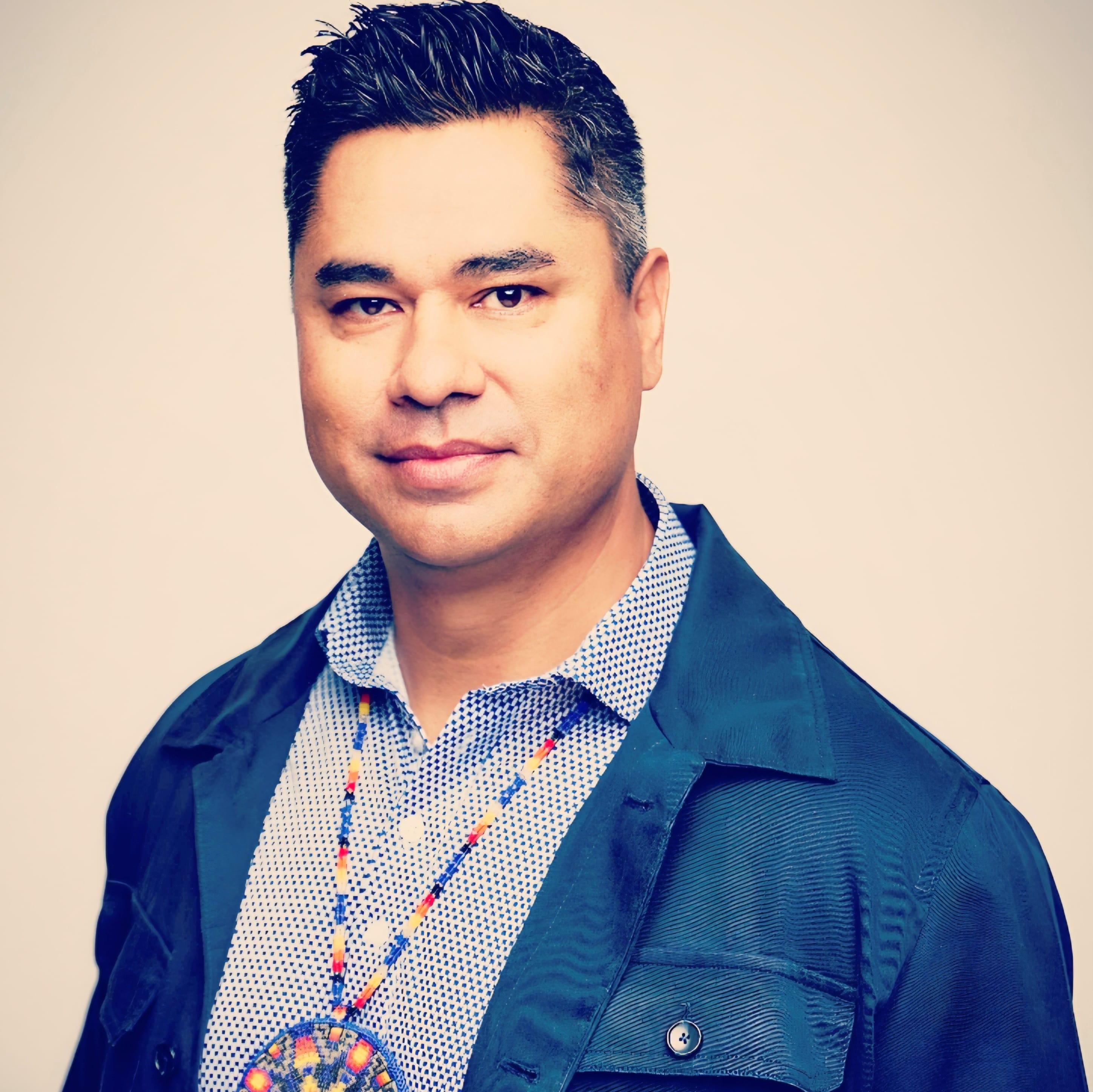
Moderator: Bryan Whish, Senior Director, Strategic Higher Education Outreach, College Board
Bryan Whish is Senior Director of Strategic Higher Education at the College Board, where he partners with colleges and universities across the Midwest and West to support enrollment strategy and student access. He is committed to expanding opportunities for students and advancing equitable access in higher education.
Bryan has been instrumental in elevating Native voices within the College Board. He co-created RESILIENCE, an internal affinity group focused on increasing awareness of issues impacting Native students and staff.
Prior to joining the College Board, Bryan held leadership roles in undergraduate admissions at Northern Arizona University and Colorado State University. He is actively engaged in national leadership and professional development initiatives, including the Enrollment Leadership Academy, and is an experienced speaker on Native student success and enrollment strategy.
Originally from Oklahoma, Bryan is a citizen of the Wichita and Affiliated Tribes of Oklahoma and lives in Fort Collins, Colorado with his family.
Closing Main Stage Session
Friday, June 5, 2026
9:00—10:00 a.m. PT
A Conversation with President Heather Shotton
What does it mean to lead as a Native woman at the highest levels of higher education? In this conversation, President Heather Shotton, the first Native American president of Fort Lewis College, reflects on leadership shaped by identity, responsibility, and lived experience. Drawing on her scholarship, including the book she coauthored, Beyond the Asterisk: Understanding Native Students in Higher Education, she challenges how institutions understand Native students and examines how data, history, and power influence decision making.
Grounded in the unique context of Fort Lewis College, this session explores leadership as a site of accountability and transformation. President Shotton will speak to what it means to move institutions beyond acknowledgment toward responsibility, and how Native leadership can redefine belonging, visibility, and success. Participants will be invited to consider how their own roles can contribute to building systems that truly serve Native students and communities.
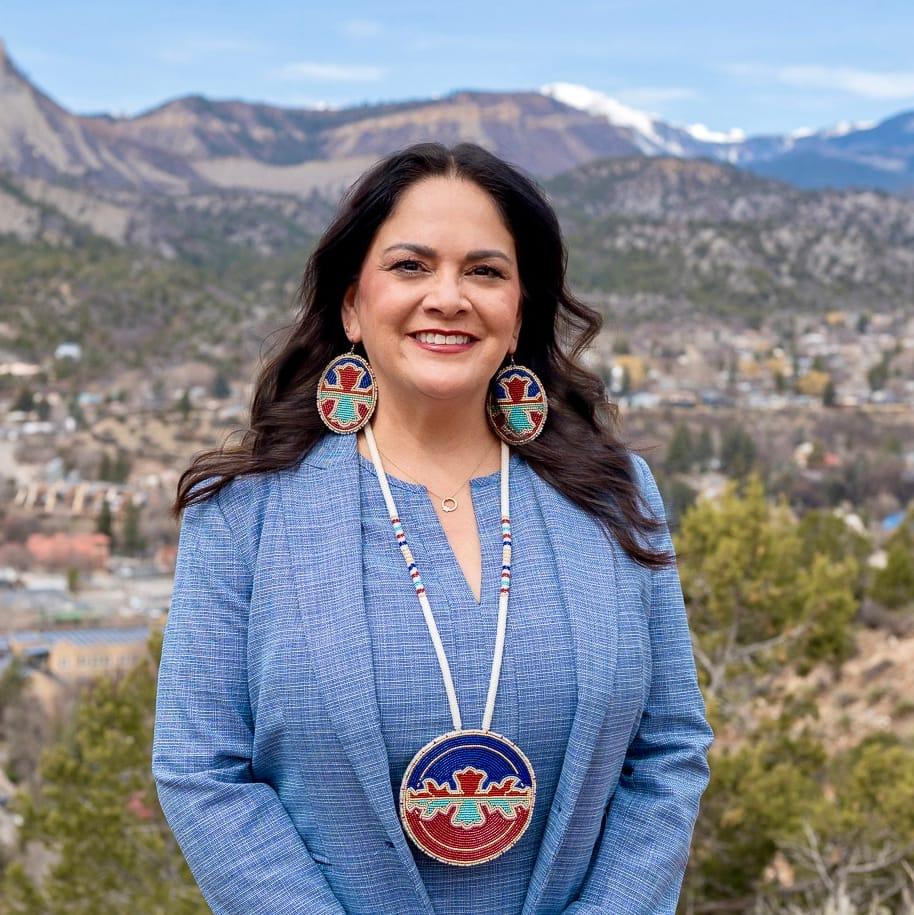
Dr. Heather J. Shotton, President, Fort Lewis College
An enrolled citizen of the Wichita & Affiliated Tribes and a descendant of the Kiowa and Cheyenne Tribes, Dr. Shotton is a nationally recognized scholar and higher education leader. Before becoming president, she served for three years as Vice President of Diversity Affairs and Acting Dean of Student Engagement at FLC.
Dr. Shotton's scholarship focuses on Indigenous education and culturally responsive practices. As Board President of the National Indian Education Association, she led national advocacy efforts to strengthen educational outcomes for Indigenous communities. Her work has earned numerous accolades, including the Mildred García Senior Scholar Award and Educator of the Year from the NIEA.
At FLC, Dr. Shotton has been instrumental in advancing reconciliation work that acknowledges the institution's history as a federal Indian boarding school, positioning FLC as a national model for institutions seeking to reconcile with their past while advancing equity and student success.
A first-generation college graduate, Dr. Shotton is passionate about supporting FLC's first-generation students, who make up 42% of our student population. She earned three degrees from the University of Oklahoma and previously served as Chair of the Department of Educational Leadership & Policy Studies there.
Dr. Shotton's husband, John R. Shotton, serves as Chairman of the Otoe-Missouria Tribe. They have two daughters: Sloan, an FLC alumna (Public Health, '24), and Sophie, a student at the University of Oklahoma. Known for her relational leadership style, Dr. Shotton is a visible and engaged presence on campus, from Hozhoni Days Pow Wow to Skyhawks athletic events.
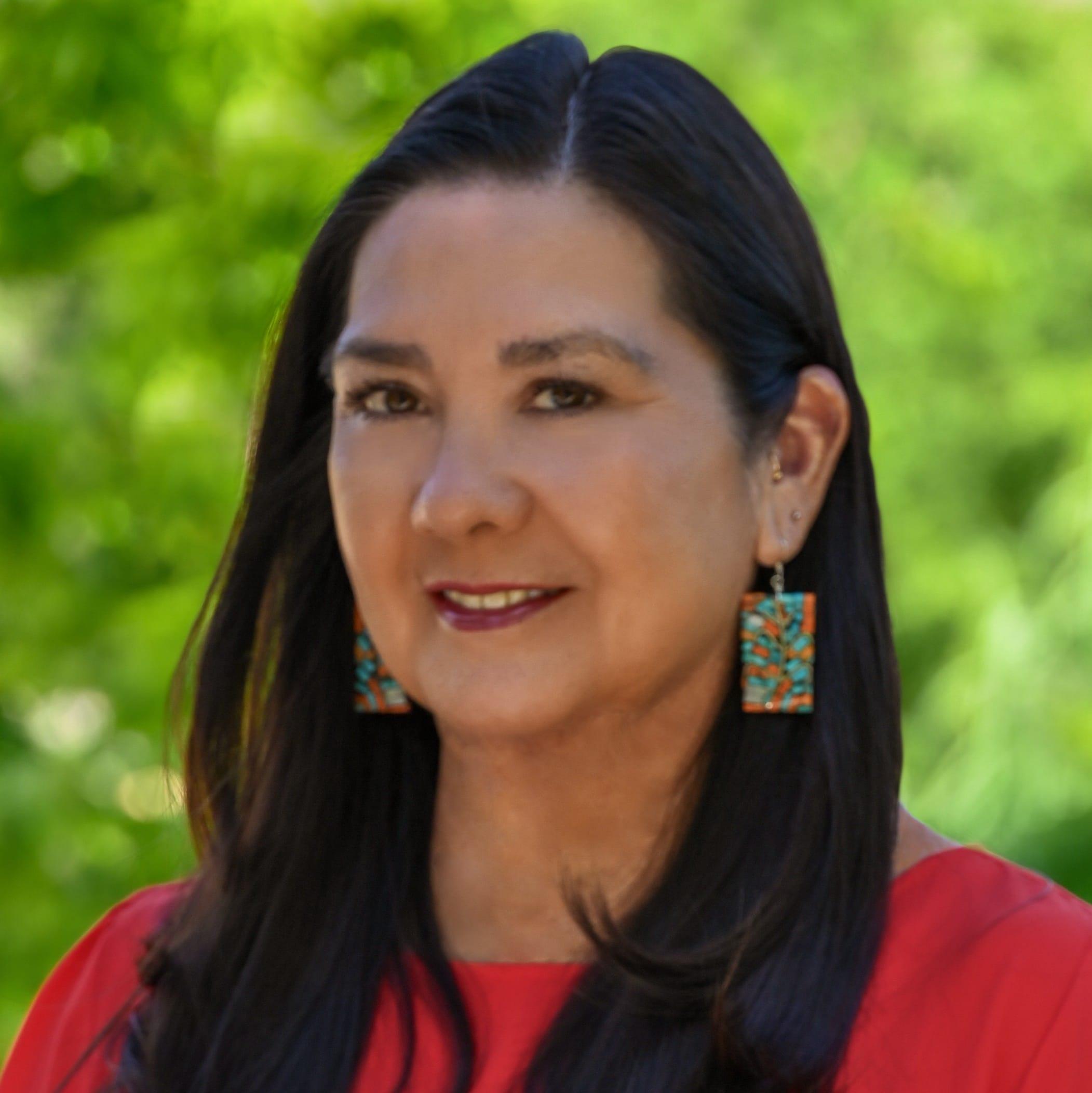
Moderator: Pamela Agoyo, Executive Director of Student Support: Division of Student Affairs, The University of New Mexico
Pamela Agoyo (Cochiti, Kewa, Ohkay Owingeh) is the executive director of Student Support for the Division of Student Affairs and special assistant to the president for American Indian Affairs at The University of New Mexico (UNM). She will assume that role on July 1. In a career that has primarily focused on student affairs and student development, Ms. Agoyo has served UNM in a number of capacities including: director of American Indian Student Services, interim co-director of the Office of Advising Strategies, director of Student Union Recreational Services, recruitment specialist for the Office of Admissions & Outreach Services, director of Minority Recruitment and Retention, and Scholarship Outreach coordinator for the Office of Financial Aid and Scholarships. She is the founding faculty advisor for UNM’s Alpha Pi Omega Sorority Inc. and Beta Sigma Epsilon Fraternity, held a Letter of Academic Title as lecturer for the UNM School of Medicine’s Family & Community Medicine Department. She is the founding and past executive director of the National Institute for Native Leadership in Higher Education (NINLHE) and is a former special education teacher for the Los Angeles Unified School District.
Ms. Agoyo’s national leadership experience includes: member of the Board of Directors for the National Indian Education Association (NIEA) where she served as NIEA president in 2013-14, Trustee of the Board of Trustees of the College Board, Trustee for the Cobell Scholarship Fund, National Association of Student Personnel Administrators (NASPA) Board of Directors, and Southwest Women’s Law Center Board of Directors. As part of her service to the New Mexico tribal community, Ms. Agoyo served as the president of the New Mexico Statuary Hall Foundation and was instrumental in coordinating the capitol campaign and installation of the statue of Po’Pay, the leader of the 1680 Pueblo Revolt, into the United States Capitol National Statuary Hall Collection in Washington, D.C.
Closing Cultural Event
Friday, June 5, 2026
1:15—2:15 p.m. PT
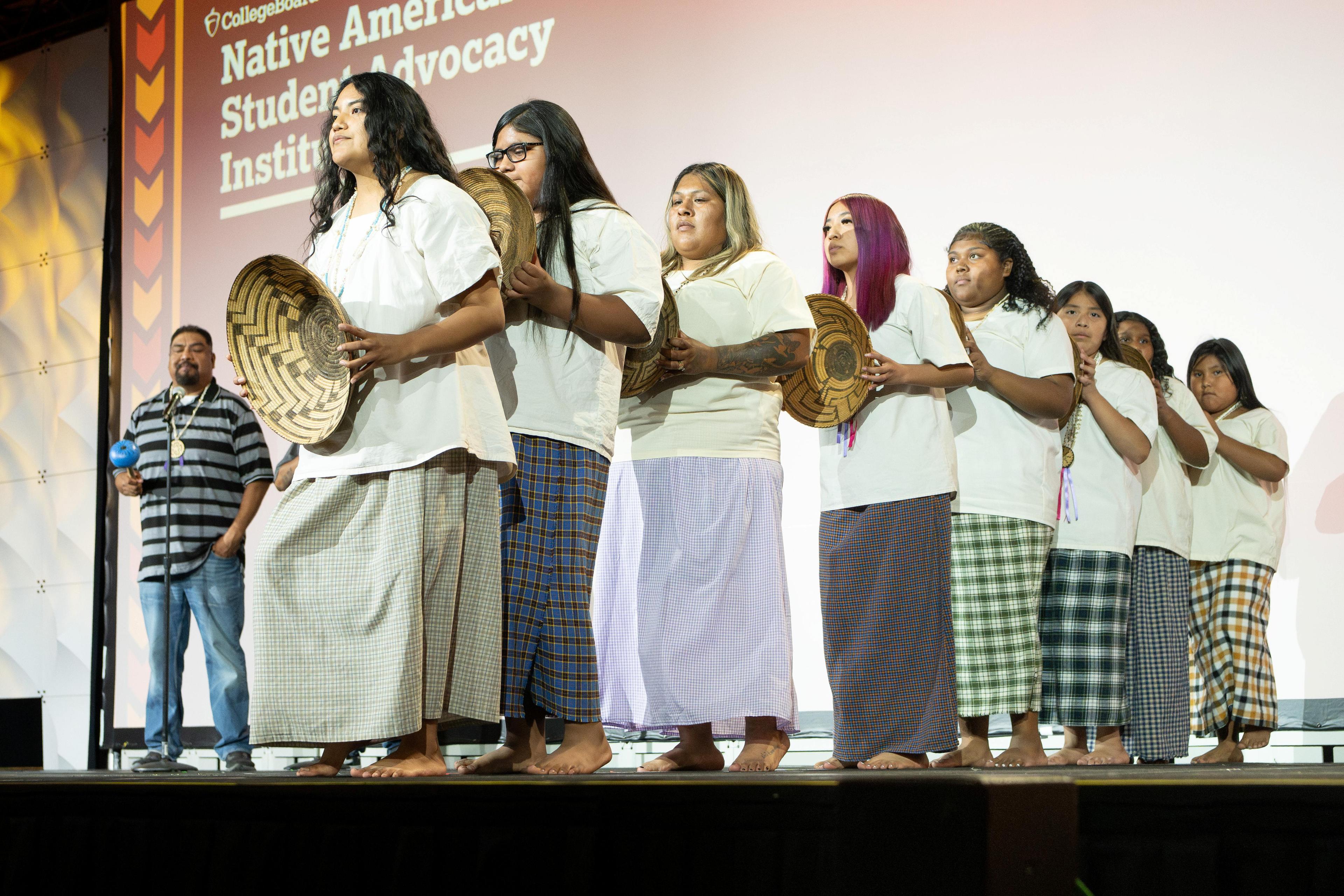
Keeping Traditions Alive: The Keli Akimel Hua Modk Cudkdam Dancers
Every song and dance carries the spirit, history, and prayers of the O'odham and connects the past to future generations. Whether sharing their blessings on or off the reservation, the Keli Akimel Hua Modk Cudkdam stands as a symbol of cultural strength, resilience, and pride, keeping their traditions alive through every song and every step.

The Keli Akimel Hua Modk Cudkdam (Gila River Basket Dancers
The Keli Akimel Hua Modk Cudkdam (Gila River Basket Dancers) are more than a dance group. They are a living connection to the traditions and spirit of the Akimel O'odham (Pima). For over eleven years, dancers and singers from across the Gila River Indian Community have come together to honor and preserve the sacred songs, basket dances, and teachings passed down by their elders.
Inspiring Generations of Learners: Indigenous Knowledge, Identity, and Belonging
This main stage session explores how Indigenous perspectives, lived experience, and ways of knowing can inspire generations of learners. Dr. Grandma Henrietta Mann, a nationally recognized leader in Native education and founding president of the Cheyenne and Arapaho Tribal College, joins students in an intergenerational conversation that brings these ideas to life through culture, story, and identity. Attendees will consider the importance of identity, belonging, and meaningful representation in education, and how these elements can help create learning environments where Native students, communities, and knowledge systems are honored. Through reflection and shared dialogue, this session highlights how Indigenous knowledge continues to shape meaningful educational experiences across generations.
“Education is shaped by values such as love, respect, compassion, humility, honesty, patience, generosity, and understanding.”
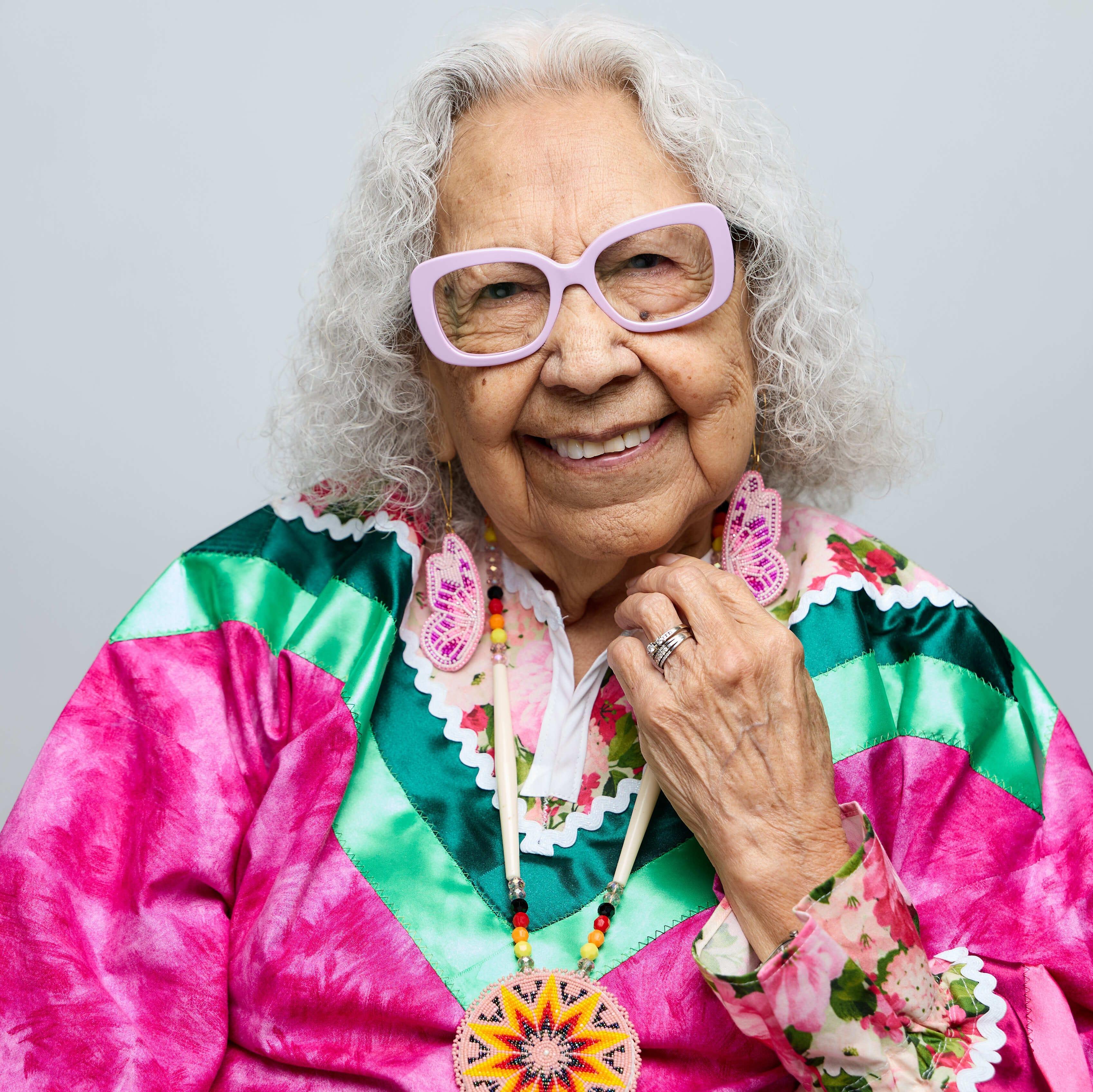
Dr. Grandma Henrietta Mann, Activist Grandmother
Dr. Henrietta (Henri) Mann is a renowned leader in Native education and has been recognized nationwide for her leadership, vision, and inspirational guidance in this field.
Dr. Mann is a Cheyenne enrolled with the Cheyenne and Arapaho Tribes, and the founding president of the Cheyenne and Arapaho Tribal College. She earned a bachelor’s degree from Southwestern Oklahoma State University in 1954, a master’s degree from Oklahoma State University in 1970, and a PhD in American studies from the University of New Mexico, Albuquerque, in 1982. Native American education has been the foundation of her work for more than 50 years.
Dr. Mann was the first individual to occupy the endowed chair in Native American Studies at Montana State University, Bozeman, where she is professor emeritus and continues to serve as special assistant to the president. She was employed at the University of Montana, Missoula, where she was director/professor of Native American studies for 28 years. She has also taught at the University of California, Berkeley; the Graduate School of Education at Harvard University; and Haskell Indian Nations University in Lawrence, Kan.
In addition, Dr. Mann has served as the director of the Office of Indian Education Programs and deputy to the assistant secretary for Indian affairs. She also served as the national coordinator of the American Indian Religious Freedom Act Coalition for the Association on American Indian Affairs.
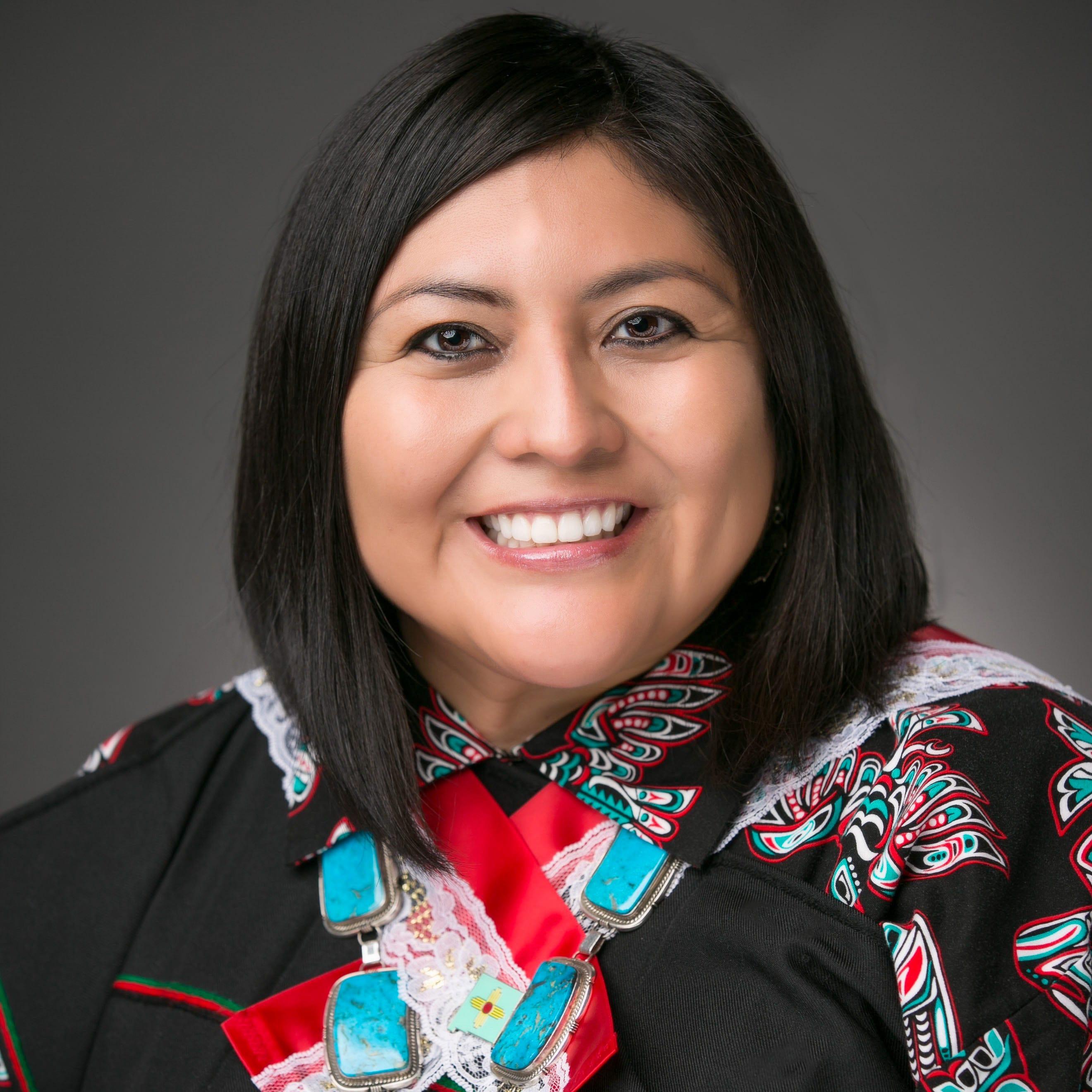
Moderator: Dr. Amanda Cheromiah, Executive Director for the Jim Thorpe Center for the Futures of Native Peoples, Dickinson College
Dr. Amanda “Mandy” Cheromiah is from Laguna Pueblo (NM). Dr. Cheromiah serves as the Executive Director at the Center for the Jim Thorpe Futures of Native Peoples at Dickinson College in Carlisle, Pennsylvania. She is the granddaughter of Carlisle Indian Industrial School students Howice Seonia (enr. 1895), Benjamin Seonia (enr. 1904), Charles Brown Analla (enr. 1914), and William Seonia (enr. unknown). Her clans are Shaska Sinah Hanu (Roadrunner and Turkey People). She believes one of the greatest gifts she has an educator, mentor, and sister, is the ability to build the confidence of Indigenous Peoples through storytelling, advocacy, mentorship, and digital media.
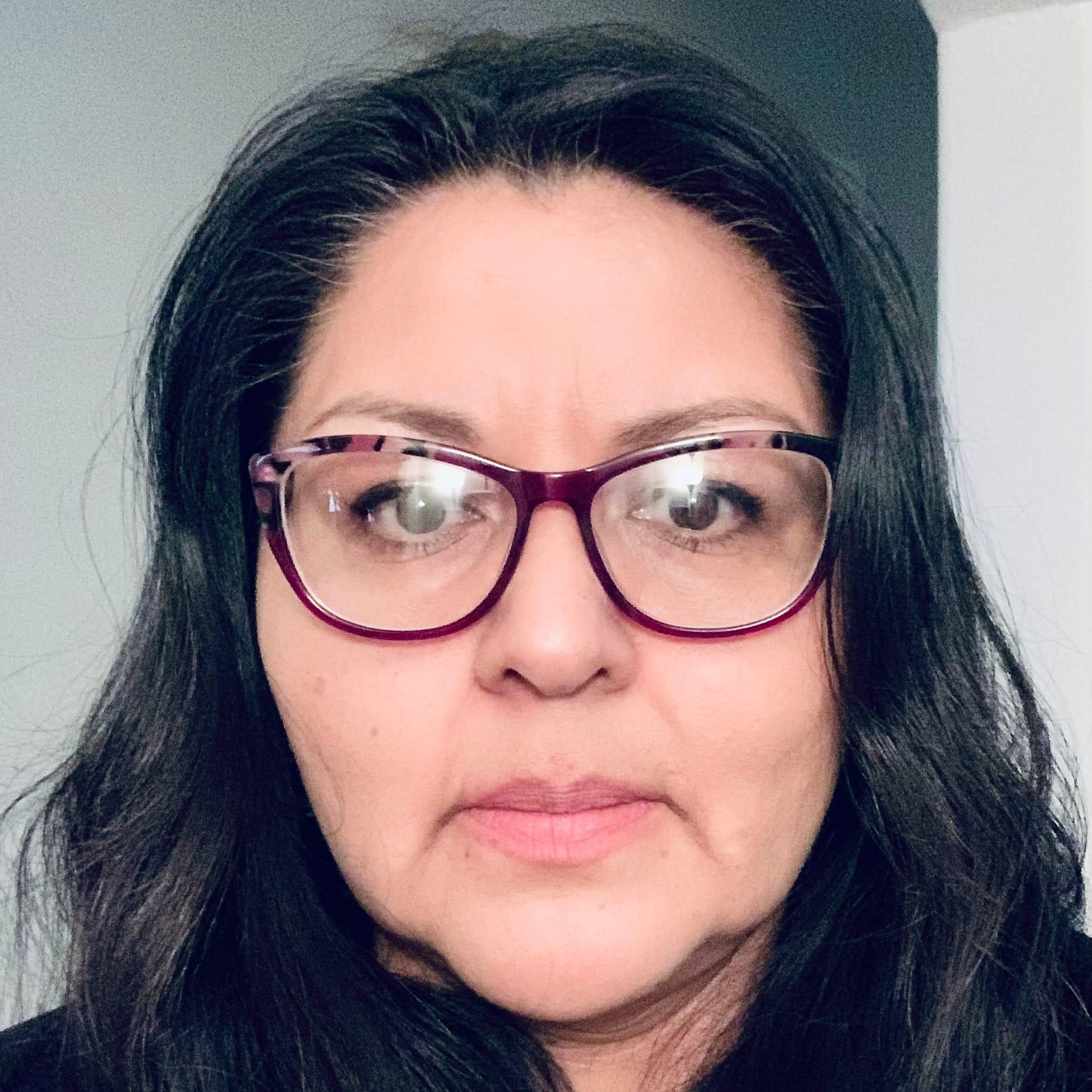
Sherilyn Analla, Ph.D. student, University of Arizona
Sherilyn Analla is a member of the Gila River Indian Community and the Pueblo of Laguna. She has over 25 years of experience in education as a teacher and program administrator. She is an instructor and consultant with the Tohono O’odham Community College (TOCC) Early Childhood Education Program. Most recently, Sherilyn was the director of Education for the Gila River Indian Community. She has been a Head Start teacher, Head Start and CCDF Child Care program administrator, and a technical program specialist with the Child Care State Capacity Building Center. Sherilyn is working on a PhD in Teaching and Teacher Education with a Linguistics minor. Her research focus is on the pedagogical development of Indigenous mother-teachers who teach their own children in tribal early education programs. She has an MEd in Curriculum and Instruction in Early Childhood Education from Arizona State University, an MA in American Indian Studies with an emphasis in Indigenous language revitalization, and a BA in Linguistics, both from the University of Arizona. Early childhood education is her “heart work”; she organized the first O’odham and Pee Posh Early Childhood Symposium held at the TOCC in October 2022 and a second in April 2026. She is the mother of three college-age children, two of whom she had the privilege to learn with in her own classroom. She enjoys toddlers, tacos, college basketball, connecting people, and working with teams in innovative and collaborative ways
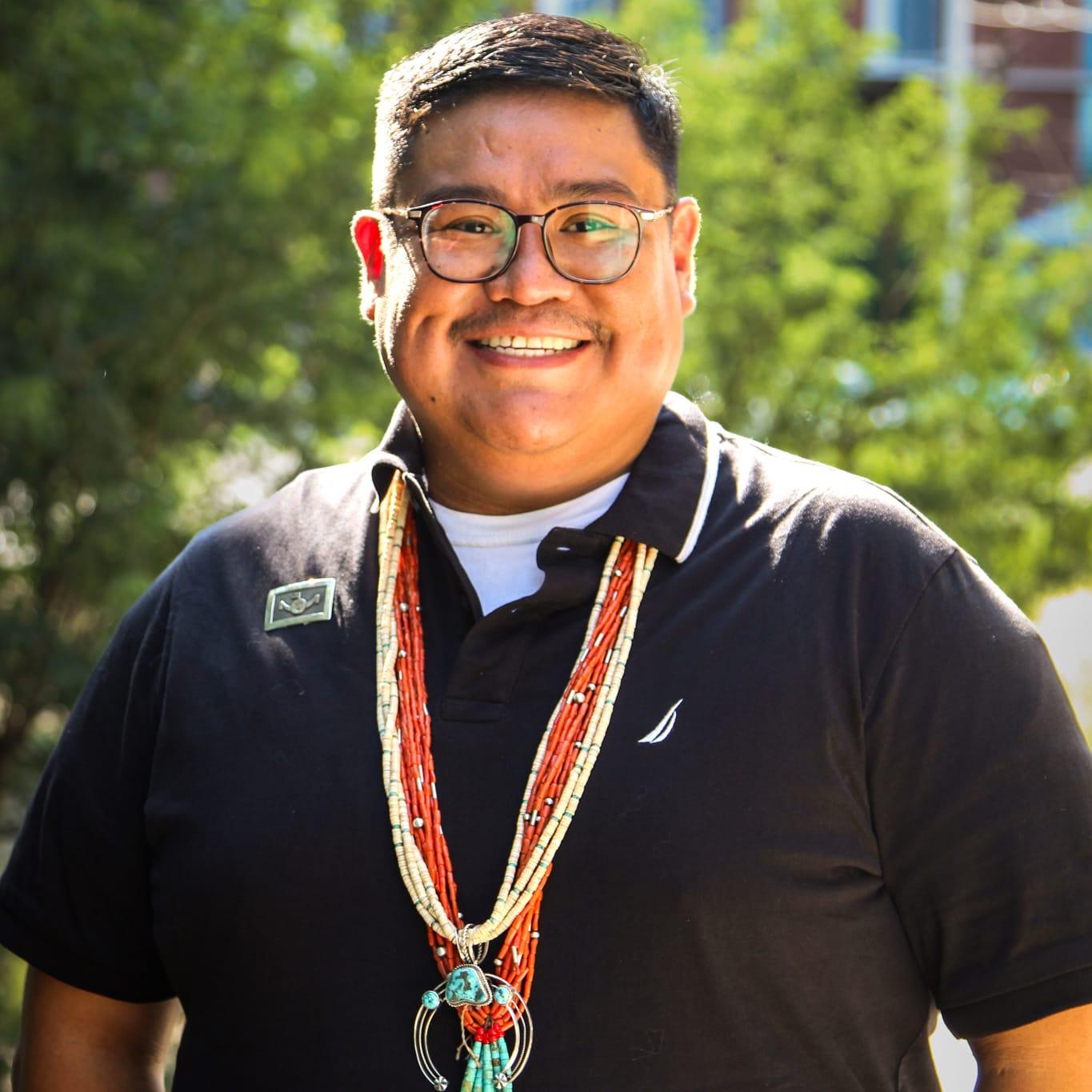
Thurman Lynch, Undergraduate Student, Tohono O’odham Community College
A citizen of the Navajo Nation, Thurman is a student at Tohono O’odham Community College, a member of the College Fund Board of Trustees as Student Representative, and a former AIHEC Student President. His path through higher education has been marked by a deep commitment to leadership, service, and advocacy, reflected in the many leadership roles he has held along the way.
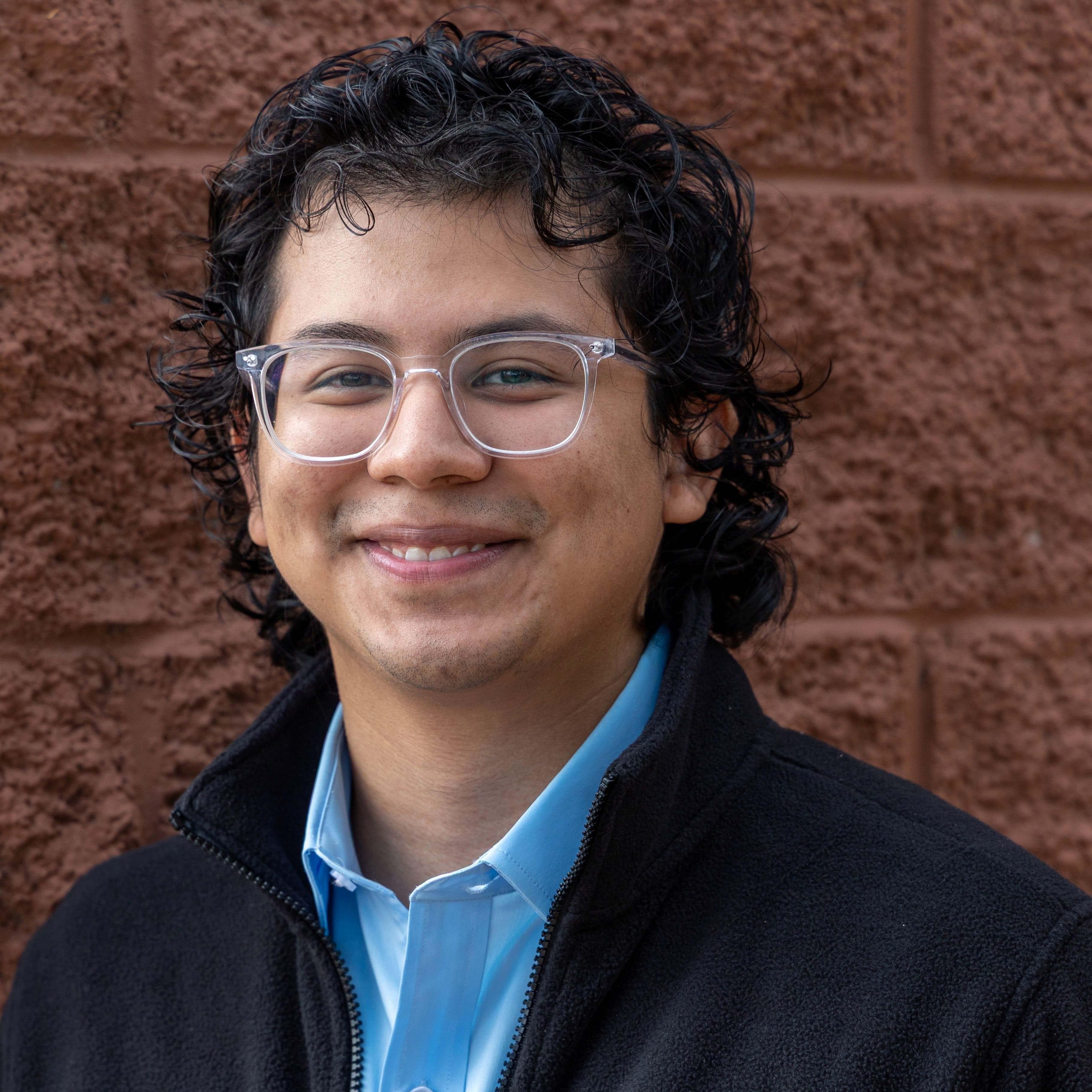
Joseph Morales, Undergraduate Student, Arizona State University
Joseph Morales is an enrolled member of the Tohono O’odham Nation. He is a recent graduate of Tohono O’odham Community College, where he earned an associate of arts in Liberal Arts. He is now pursuing a bachelor's degree in English at Arizona State University. Joseph uses his education and his love for writing along with an internship with the Gila River Indian Community News, to help share and document community events. As a student ambassador for the American Indian College Fund, Joseph hopes to promote the importance of higher education for Indigenous people. Joseph was a recent podcast guest on “Tohono O’odham Young Voices.”